The Truth About the Fujifilm X Half: Pros, Cons, and Verdict
Category: Electronics
Introduction
The Fujifilm X Half positions itself as a compact member of Fujifilm's X-series family, promising the brand's distinctive design language, color science, and tactile controls in a smaller footprint. For many photographers and hybrid shooters, size and style matter as much as image quality—particularly for street, travel, and everyday carry. This review examines how the X Half performs in realistic scenarios, what buyers typically care about, and whether it delivers the balance of portability and performance that modern photographers expect.
What the Fujifilm X Half Aims to Be
Fujifilm's X-series has long been associated with a certain photographic philosophy: compact bodies with physical controls, film-inspired color reproduction, and image quality that punches above the sensor size. The X Half targets those who want these attributes in an even smaller package. It aims to be a camera that is unobtrusive, easy to carry, and capable of delivering images with strong color straight out of camera—appealing to enthusiasts, content creators, and travelers who value both ergonomics and aesthetics.
Detailed Product Analysis
Design, Build, and Handling
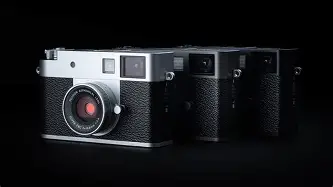
The X Half's design emphasizes portability. The body is compact and lightweight, with a clean, retro-inspired exterior that will be familiar to anyone who has handled other X-series models. Despite its reduced size, the camera retains thoughtfully placed dials—aperture, shutter, and exposure compensation—that enable quick adjustments without delving into menus. The grip is modest; it favors a subtle, pocketable silhouette over a deep, camera-like hold. For photographers with larger hands or those planning to use larger lenses, the smaller grip can feel cramped during long shooting sessions.
Materials and finish often reflect Fujifilm’s premium feel, with metal top plates and quality plastics where weight savings are necessary. Weather sealing on similarly positioned models is usually partial to full; buyers who need serious all-weather reliability should confirm the X Half’s exact sealing specification before relying on it in harsh environments.
Image Quality and Color
Image quality is a core consideration. The X Half aims to leverage Fujifilm's image pipeline—favoring pleasing skin tones and film-simulation presets that reduce the need for heavy post-processing. For still photography, this approach benefits portrait, travel, and street shooters who want deliverable images quickly. The camera's JPEG output typically shows rich, film-like tones and an emphasis on mid-tone color rendition that many users find attractive.
Dynamic range and high-ISO performance are critical for real-world use, such as shooting in variable light during street sessions or dim interiors. While a smaller, compact sensor design can limit absolute low-light performance compared with full-frame systems, the X Half balances this with noise control and color retention that remain more than adequate for most enthusiast use cases and social-media-sized outputs.
Autofocus and Performance
Autofocus systems in compact X-series models have become increasingly capable, offering reliable subject detection, face/eye AF, and quick single-shot focus. The X Half is intended to provide fast, accurate AF for everyday subjects—pedestrians, children, and pets—while maintaining a responsive feel for action in moderate movement scenarios. Continuous AF performance for fast sports or wildlife may be limited compared with larger, performance-focused bodies, but it should cover most casual and enthusiast needs.
Startup speed, shot-to-shot latency, and buffer depth affect how usable a camera is for sequences. The X Half is likely tuned for quick single shots and moderate bursts suitable for street and travel photography. For prolonged high-frame-rate shooting—wedding coverage or fast-paced sports—buyers should verify continuous shooting specs and buffer behavior against their specific requirements.
Shop the latest Electronics picks on Amazon.
View Offers →Lens Options and System Compatibility
One of Fujifilm's core strengths is its ecosystem of lenses. The X Half’s compact body pairs best with smaller prime lenses and pancake zooms, creating a lightweight, highly portable kit. Buyers who already own X-mount lenses will find the camera integrates seamlessly into existing gear collections. For new buyers, the availability of compact primes and high-quality zooms makes the X Half a flexible choice for various photographic styles.
However, lens selection affects handling: larger lenses will unbalance the small body and negate the portability advantage. For those who prioritize small size, choosing compact primes (such as 23mm, 35mm equivalents) is the practical route.
Video Capabilities
Modern hybrid shooters expect capable video features. The X Half is designed to cover casual and creator-driven video work—vlogs, B-roll, and short-form content—rather than high-end cinematography. It likely offers clean 4K recording at common frame rates, plus useful features like in-body stabilization (IBIS) or digital stabilization options in-body or via lens, and microphone input for improved audio capture. Those who need pro-level video codecs, extended recording times, or advanced color tools might find pro video bodies more suitable.
Battery Life and Connectivity
Battery life in compact cameras is always a trade-off: smaller bodies tend to offer fewer physical cells and therefore sh…Real-World Use Cases
- Street Photography: The X Half’s discreet size and quick handling make it well-suited for street shooters who need to be unobtrusive while still ready to capture fleeting moments. Fast single-shot AF and tactile controls help maintain focus on composition rather than settings management.
- Travel and Everyday Carry: Travelers who prioritize light weight and minimalism will appreciate a compact kit with a couple of small primes. The X Half can double as an everyday camera for events, city walks, and family snapshots.
- Portrait Work (Casual): For informal portraits and environmental portraits, the X Half can produce pleasing skin tones and characterful color straight from camera, reducing the need for extensive editing.
- Content Creation: Casual vloggers and social-media creators will find the video and connectivity features useful for recording and uploading material quickly, provided the video specs meet their quality targets.
- Backup or Second Body: For photographers using larger Fujifilm bodies, the X Half makes a practical second body for travel or situations where portability is more important than maximum performance.
Pros & Cons
Pros
- Compact, pocketable design that encourages more frequent shooting and easier carry.
- Fujifilm-style color science and film simulations produce pleasing JPEGs with minimal editing.
- Tactile controls and simplified layout speed up in-the-moment adjustments.
- Strong lens ecosystem: plenty of compact primes and small zooms to preserve portability.
- Good for street, travel, and casual portraiture; unobtrusive presence helps candid capture.
Cons
- Smaller grip can be uncomfortable for extended handheld use, particularly with larger lenses.
- Battery life limited by compact form factor—power users will need spares.
- Performance for fast-action AF and sustained high-frame-rate shooting may lag behind larger, pro-focused bodies.
- Smaller bodies can mean fewer physical ports and fewer pro-level video options.
- Potential trade-offs in low-light/high-ISO performance relative to larger sensor cameras.
How the Fujifilm X Half Stacks Up: Quick Comparison
| Model | Best For | Body Size | Handling Notes | Ideal Lenses |
|---|---|---|---|---|
| Fujifilm X Half | Everyday carry, street, travel | Very compact, pocketable | Lightweight, smaller grip; quick dials | Compact primes, pancake zooms |
| Fujifilm X100-series | Street photographers who prefer fixed-lens simplicity | Compact but with fixed lens | Single-lens simplicity; leaf-shutter options on some models | Built-in prime (fixed) |
| Fujifilm X-S / X-T (mid-range bodies) | Enthusiasts who need more control and performance | Mid-size; more substantial grip | Better ergonomics for long sessions; more external controls | Full range of X-mount lenses |
Buying Guide: Is the X Half Right for the Buyer?
When deciding whether the Fujifilm X Half is the right purchase, potential buyers should reflect on how they plan to use the camera and what matters most in their photography. Below are practical considerations organized around common buyer priorities.
1. Portability vs. Ergonomics
Portable cameras reduce friction: they are carried more often and produce more photographs. If daily carry, street work, or travel convenience is the priority, the X Half’s small size will be a compelling advantage. Conversely, photographers who regularly shoot long sessions, use heavier lenses, or need a pronounced grip should evaluate whether a larger X-series body better suits their hands and workflow.
2. Image Style and Workflow
Buyers who appreciate Fujifilm’s in-camera color science and film simulations will value the X Half’s JPEG output. If a workflow emphasizes minimal post-production and quick delivery, the camera’s colors and tonal rendering can be a major benefit. Those who prefer heavy RAW editing or need extreme dynamic range may prioritize sensor size and full RAW flexibility over built-in JPEG character.
3. Lens Strategy
Consider the lenses intended for use. Small primes preserve portability and make the X Half shine; large telephotos or fast zooms will overwhelm the form factor. For a travel kit, a wide-to-normal prime plus a compact tele or zoom provides maximum flexibility without losing the camera’s small-footprint advantage.
Shop the latest Electronics picks on Amazon.
View Offers →4. Video Needs
For casual creators, the X Half’s likely 4K capabilities and portable form factor are practical. For professional video workflows—log profiles, long recording times, high-bitrate codecs—buyers should confirm that the X Half meets those technical requirements or consider more video-focused models.
5. Budget and Value
Compact, well-built cameras often command a price premium because of engineering that packs performance into small enclosures. Buyers should weigh the convenience of size against the cost and compare similar models that might offer better ergonomics or features for slightly more money. Consider total system cost—lenses, accessories, and spare batteries—when assessing value.
6. Futureproofing and Ecosystem
Fujifilm’s lens ecosystem and firmware updates are important. Buyers who value the ability to add more advanced lenses or take advantage of firmware improvements should verify that the X Half is fully integrated into the current X-mount ecosystem and that Fujifilm's update cadence supports feature expansion.
Practical Tips for Buyers
- Try before buying: Handling a compact camera in-store helps verify grip comfort and reach to dials.
- Plan a lens kit around portability: choose two or three compact primes rather than one large zoom to keep the kit balanced.
- Carry spare batteries: expect shorter runtimes from smaller bodies; a small external charger and spare battery are low-cost reliability investments.
- Test JPEG film simulations: explore in-camera profiles to see if they align with personal aesthetic preferences and reduce editing time.
- Check firmware update history: a brand that actively updates cameras adds long-term value through feature improvements.
Verdict and Conclusion
The Fujifilm X Half makes a clear proposition: compact size without abandoning the tactile, color-forward DNA that defines Fujifilm's X-series. For photographers who prioritize portability—street shooters, frequent travelers, and everyday shooters—the X Half is an attractive option that encourages more shooting through its convenience and style. Its JPEG character and easy-to-use controls make it well suited to users who value immediate, pleasing results with minimal post-processing.
However, the X Half is not a one-size-fits-all solution. The trade-offs that come with a very small body—shorter battery life, smaller grip, and some limitations in sustained high-performance shooting—mean that it is less ideal as a primary camera for long assignments, professional sports, or intensive video production. Buyers should weigh how often they prioritize absolute portability versus ergonomic comfort and high-end performance.
Ultimately, the X Half will appeal most to those who want a stylish, pocketable camera that still feels like a Fujifilm to shoot: tactile, color-rich, and designed for photographers who are regularly on the move. For anyone seeking a discreet, capable companion for everyday photography, the X Half merits serious consideration—provided they accept the inherent trade-offs that accompany its small form factor.