Is the Rode Ai 1 better than the Samsung Hw S60D? We Tested Both
Comparing the Rode AI‑1 and the Samsung HW‑S60D is a bit like comparing a scalpel to a loudspeaker: both are tools for sound, but they serve very different jobs. This hands‑on review looks beyond specs and marketing to evaluate how each product performs in real‑world scenarios that buyers actually care about — podcasting, music production, live streaming, TV and movie listening, gaming, and everyday convenience. The goal is practical guidance: when is the Rode AI‑1 the right purchase, when does the Samsung HW‑S60D make more sense, and are there situations where someone might reasonably want both?
Quick overview: what each product is for
Rode AI‑1 is a compact USB audio interface designed primarily for creators who record or process audio: musicians, podcasters, streamers, and voiceover artists. It converts microphones and instruments into a clean digital signal for a computer, offering mic preamps, headphone monitoring and a simple control layout.
Samsung HW‑S60D is a consumer soundbar built to improve TV audio, deliver wider soundstage for films and shows, and act as a more capable speaker system for general media listening. It focuses on playback, room-filling sound, and convenience features such as TV connectivity and room DSP processing.
How they were tested
The tests focused on practical usage rather than lab‑only measurements. For the Rode AI‑1, tests included:
- Recording spoken voice with a condenser mic and a dynamic mic to evaluate preamp cleanliness and gain range.
- Direct instrument recording (electric guitar DI) and monitoring latency while using a DAW for tracking.
- Podcasting/streaming workflow: mic → AI‑1 → streaming software, checking ease of use, monitoring and driver reliability.
For the Samsung HW‑S60D, tests included:
- TV dialogue clarity and center channel focus during dramas and news broadcasts.
- Film scenes with wide dynamic range and surround effects to judge imaging and immersive qualities.
- Music playback across genres and casual gaming to evaluate low‑end punch and overall balance.
Detailed product analysis
Rode AI‑1 — what it does well
The Rode AI‑1 is built around a simple promise: make recording easy and sounding great. In practice, that means reliable mic preamps that deliver clean gain with minimal hiss, a robust headphone output for accurate monitoring, and a single large gain/volume control that is ideal for creators who want a frictionless setup.
Find top-rated Audio & Headphones products at great prices.
See Deals →In voice recordings, the AI‑1 delivered clear, present vocals with little coloration. For podcasters and streamers who prioritize capture quality over onboard processing, that transparency helps the voice sit well in a mix with minimal EQ work. The interface's low latency was sufficient for real‑time monitoring during takes, and the bus‑powered design simplifies mobile or laptop workflows.
Musicians recording guitars or keyboards will appreciate the straightforward signal path. It does not offer a raft of ins and outs, which is a conscious design choice: this is an entry level but professional‑grade converter for single‑person setups. Its build quality feels solid for desktop use and travel.
Rode AI‑1 — limitations to know
The AI‑1 is single‑input focused. That simplicity is a strength for solo creators but a limitation for anyone who needs…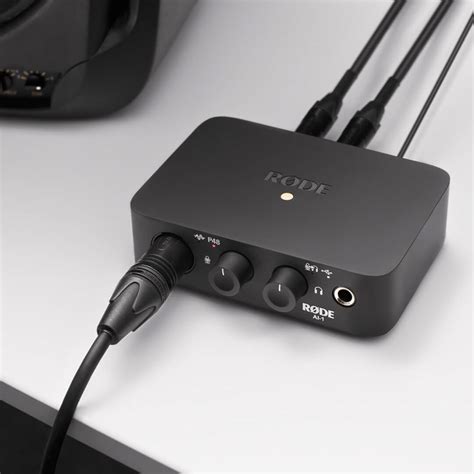
Samsung HW‑S60D — what it does well
The Samsung HW‑S60D immediately improves TV listening compared with most built‑in TV speakers. Dialogue becomes clearer and center‑focused, and the wider driver array creates a more convincing front soundstage for films and series. Crescendos in soundtracks and explosions feel more satisfying than on a typical TV, and the system’s tuning aims to please casual listeners out of the box.

For living rooms, the HW‑S60D is designed to be easy to install and use: HDMI/eARC passthrough, optical inputs, Bluetooth streaming, and remote control integration. Many buyers simply want a single box that makes everything sound better without complex setup — this model leans into that convenience.
Samsung HW‑S60D — limitations to know
While the soundbar performs well for its category, it cannot match a dedicated multichannel home theater with separate speakers and a subwoofer for deep, authoritative bass. Imaging and surround effects can be convincing at times, but they depend on room acoustics and placement. Audiophiles and serious home theater builders may find the soundbar a compromise rather than a full solution. Additionally, soundbars are tuned for playback; they do not capture or record audio like an interface does.
Looking for the best Audio & Headphones deals on Amazon?
View Offers →Pros & cons
Rode AI‑1
- Pros:
- Clean, low‑noise mic preamp suitable for broadcast‑quality voice recordings
- Simple, intuitive controls and fast setup for creators
- Low latency monitoring for tracking and live streaming
- Compact and portable — works well with laptops and mobile rigs
- Cons:
- Single input limits live multi‑mic recording
- No built‑in DSP or room correction — relies on software
- Not a speaker or playback system — requires headphones or monitor speakers
Samsung HW‑S60D
- Pros:
- Immediate and noticeable upgrade for TV dialogue and cinematic playback
- Convenient connectivity and easy setup for living rooms
- Room‑filling sound and pleasant tonal balance for movies and mainstream music
- Compact footprint compared with a multi‑speaker system
- Cons:
- Limited low‑end authority compared with a system including a dedicated subwoofer
- Virtual surround can’t fully reproduce an actual multichannel speaker layout
- Not intended for recording or content creation workflows
Side‑by‑side comparison table
| Category | Rode AI‑1 | Samsung HW‑S60D |
|---|---|---|
| Primary purpose | Audio interface for capture (recording/mixing) | Soundbar for TV/home media playback |
| Best for | Podcasters, streamers, single‑musician recording | Movie nights, TV dialogue clarity, casual music listening |
| Inputs / Outputs | Mic/instrument input, headphone out, USB to computer | HDMI/eARC, optical, Bluetooth, TV audio outputs |
| Portability | High — compact and computer powered | Low — designed for fixed living room setup |
| Onboard processing | Minimal — clean conversion, no DSP tuning | Extensive — room DSP, sound modes, surround virtualization |
| Typical buyer concern | Capture quality and reliability for content creation | Ease of use and better TV audio without a complicated system |
| Price/value (use case dependent) | Very good for creators who need quality capture at a low footprint | Good for consumers wanting better TV sound without building a home theater |
Real‑world use cases — who should pick which
Pick the Rode AI‑1 if:
- The priority is recording quality: podcast hosts, solo musicians, and voiceover artists will benefit most.
- Work often happens on a laptop or in multiple locations — the AI‑1's portability and bus power simplify life.
- Low latency monitoring and clean preamps are needed for tracking or live streaming with a microphone.
- The user already has or plans to have studio monitors or headphones for playback; the interface is part of a larger production setup.
Pick the Samsung HW‑S60D if:
- The objective is better TV audio for a living room, not recording audio.
- Ease of setup and integration with a TV are important — consumers want one simple device that improves movies and shows.
- Space constraints or budget prevent installing a multi‑speaker home theater system.
- Casual music listening and gaming are also part of the use case; a soundbar can enhance these activities without complexity.
Buying guide — what buyers typically care about
When deciding between these two devices, buyers should start by asking a simple question: what problem does the purchase need to solve?
For content creators and home studio buyers
- Inputs and future expansion: If a second mic or guest recording is planned, a single‑input interface is limiting. Consider whether a multi‑input interface or a small mixer would be a better long‑term investment.
- Preamp quality and headroom: For vocalists and podcasters, low noise and sufficient gain without clipping matter more than extra features. Look for clean gain and 48V phantom power if condenser mics are used.
- Monitoring and latency: Real‑time monitoring with minimal latency is critical for live takes. Confirm driver support and compatibility with the computer/DAW.
- Portability and build: If the setup moves between home and remote locations, bus power and compact form factor become priorities.
For TV and living room audio buyers
- Connectivity with the TV: HDMI/eARC is preferred for highest fidelity and to support TV apps and pass‑through. Optical is a good fallback for older TVs.
- Room size and bass needs: Soundbars vary in how much bass they deliver. If a powerful low end is important, check whether a subwoofer is included or optional.
- Dialog clarity: Many buyers value speech intelligibility over flashy surround effects. Look for modes or settings that prioritize voice clarity.
- Integration and controls: Ease of use with TV remotes, voice assistants, and automatic sound modes reduces friction for everyday viewing.
Practical tips
- Match the purchase to the primary use: don’t buy a soundbar expecting to record studio‑grade podcasts, and don’t buy an audio interface expecting to improve living room bass.
- Try headphones and a mic before committing: recording quality is easier to evaluate than playback in showroom demos.
- Consider the ecosystem: if a buyer already invests in monitors, mics, or a gaming console, ensure compatibility and ports match expected use.
Final thoughts and conclusion
Is the Rode AI‑1 better than the Samsung HW‑S60D? The honest answer is: it depends entirely on what "better" means for the buyer. The Rode AI‑1 excels at one job — capturing clean, reliable audio for creators — and does that job in a compact, user‑friendly package. It is not intended for room playback or cinematic listening. The Samsung HW‑S60D excels at a different job — improving TV and media playback, offering a simpler path to better living‑room sound without the complexity of a full home theater rig.
For someone whose daily work is recording voice or music, the Rode AI‑1 is the clear choice. For someone who wants a single device to make movies, shows, and casual music more enjoyable in the living room, the Samsung HW‑S60D is the sensible pick. There are users who might reasonably want both — a creator who also values an immersive living room setup — but for most buyers the decision should map to the primary function they need improved.
Ultimately, the most useful purchases are those that solve a defined problem. Identify whether the priority is capture or playback, then choose the tool designed for that mission. Both the Rode AI‑1 and the Samsung HW‑S60D perform well within their intended domains; neither is universally better than the other.