Head-to-Head: Munbyn Acescan As01 Barcode Scanner vs Lenovo Legion R27Qe Gen 2 (Detailed Comparison)
Introduction
At first glance, pitting a barcode scanner against a gaming monitor may seem odd. The Munbyn Acescan As01 and the Lenovo Legion R27Qe Gen 2 sit in very different product categories, yet both are essential components of modern workspaces. Small retailers, warehouses, and office administrators care about reliable scanning; creative professionals, gamers, and content creators prioritize screen fidelity and performance. This comparison explores each product in depth, highlights real-world use cases where they intersect, and helps buyers decide which device—or combination of devices—best fits their needs.
Product overviews
Munbyn Acescan As01 — What it is and who it serves
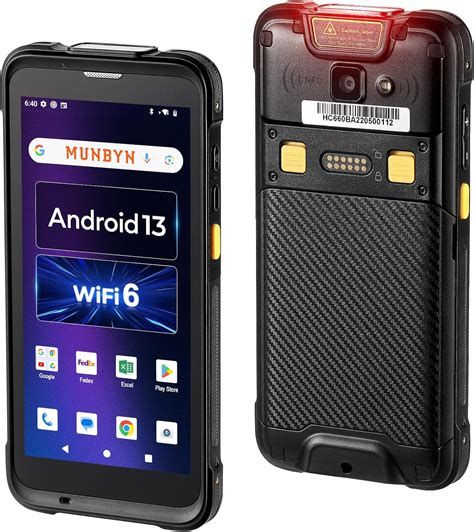
The Munbyn Acescan As01 is a handheld barcode scanner aimed at small businesses, retail counters, and light industrial environments. It focuses on reliable barcode capture (both common 1D barcodes and many 2D codes), straightforward connectivity, and an affordable price point. Typical buyers are shop owners updating a point-of-sale (POS) setup, inventory clerks managing stock, and event staff scanning tickets on the go.
Lenovo Legion R27Qe Gen 2 — What it is and who it serves
The Lenovo Legion R27Qe Gen 2 is a 27-inch monitor in Lenovo’s Legion family, built with gamers and performance-oriented users in mind. It blends high refresh rates, low response times, and modern connectivity with color performance good enough for creative work. Buyers include competitive gamers seeking smooth motion, streamers who need quick visuals, and hybrid professionals who use a single display for both content creation and gaming.
Detailed review and analysis
Munbyn Acescan As01 — Performance and daily use
The core value of any barcode scanner is how reliably it reads codes under real-world conditions. The Acescan As01 is designed for rapid, accurate decoding of standard 1D barcodes (UPC, EAN, Code128) and a wide array of 2D codes (QR, Data Matrix) used on tickets, invoices, and mobile screens. In retail scenarios where customers present phone-based coupons or QR tickets, a scanner that can read off illuminated displays and damaged labels matters; the As01 emphasizes resilience against moderate label wear and reflective surfaces.
Connectivity options are typically straightforward: plug-and-play USB for fixed cashier stations and wireless (Bluetooth or 2.4GHz) modes for handheld flexibility. This flexibility matters in a busy checkout lane or when walking warehouse aisles: a tethered USB connection is risk-free for permanent stations, while a cordless setup cuts cable clutter and extends reach. Battery life and standby recovery times are the practical considerations for cordless use — buyers who scan continuously for hours should verify rated runtime and whether quick charging is supported.
On ergonomics and build quality, handheld scanners live or die by comfort. A balanced weight, non-slip surface, and a trigger that feels responsive reduce fatigue over a long shift. Drop resistance and ingress protection ratings help estimate lifespan in rougher environments — shipping and receiving desks benefit from devices that tolerate casual drops and dust.
Looking for the best Laptops & Computers deals on Amazon?
View Offers →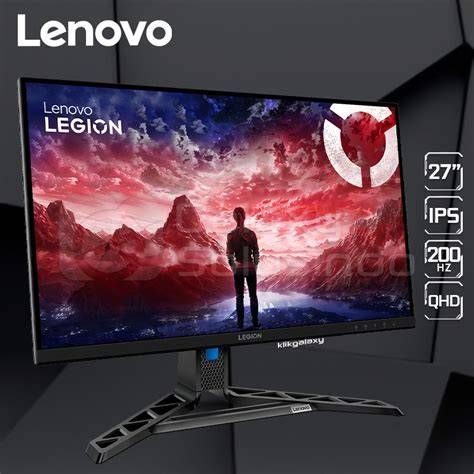
Lenovo Legion R27Qe Gen 2 — Performance and daily use
As a 27-inch performance display, the Legion R27Qe Gen 2 aims to merge fluid motion with sharp detail. A QHD resolution (2560×1440) at 27 inches is a common sweet spot that provides more desktop real estate than 1080p while keeping GPU load reasonable for gaming. The monitor’s higher refresh rate (commonly in the 144–165Hz range for this tier) and low response time improve motion clarity, reduce perceived lag, and contribute to a more immersive gaming experience.
Color accuracy and panel type matter for non-gaming workflows. IPS-type panels offer wide viewing angles and better color consistency, while VA panels usually deliver higher contrast. For creators, look for factory calibration, coverage of sRGB and wider color spaces (like DCI-P3), and support for basic HDR. For gamers, adaptive-sync technologies such as FreeSync or G-Sync compatibility and multiple inputs (DisplayPort, HDMI) are key to avoiding tearing and supporting consoles and PCs alike.
Ergonomics and connectivity complete the picture: a height-adjustable stand with tilt and swivel, VESA compatibility, and downstream USB ports make the monitor …
Pros & Cons
Munbyn Acescan As01
- Pros: Fast decoding of common 1D/2D barcodes; straightforward setup with plug-and-play options; usually affordable compared with industrial scanners; cordless models add mobility for inventory tasks; compact and lightweight for extended use.
- Cons: Build quality may not match industrial-grade scanners for heavy-duty warehouse work; battery life on some variants can limit continuous use; limited advanced features (like firmware-level customization or enterprise-grade security) compared with high-end models; scanning performance can vary with glossy/poorly printed codes.
Lenovo Legion R27Qe Gen 2
- Pros: Smooth motion performance for gaming thanks to a high refresh rate and low response time; QHD resolution balances clarity and GPU load; typically good ergonomics and connectivity for desktop use; solid value when color performance is sufficient for casual to mid-level creative work.
- Cons: Not a top-tier professional color-grade monitor for demanding color-critical workflows; built-in speakers are basic; higher refresh QHD panels require a capable GPU to fully utilize in gaming; more expensive than basic office monitors.
Side-by-side comparison
Below is a practical comparison table focusing on attributes buyers commonly weigh when outfitting a workspace that might include either device.
| Attribute | Munbyn Acescan As01 (Barcode Scanner) | Lenovo Legion R27Qe Gen 2 (Monitor) |
|---|---|---|
| Primary use | Point-of-sale scanning, inventory, ticketing | Gaming, streaming, general productivity, creative work |
| Key strengths | Fast barcode decoding, portability, low cost | Smooth motion, high resolution, versatile connectivity |
| Connectivity | USB (plug-and-play), Bluetooth/2.4GHz wireless options | DisplayPort, HDMI, USB hub (varies by model) |
| Durability | Designed for daily handling; drop resistance varies | Standard monitor build; VESA mount for flexible setups |
| Setup complexity | Minimal; usually plug-and-play with common POS software | Moderate; driver and color calibration optional for creatives |
| Best for | Retail counters, warehouses, event check-ins | Competitive gamers, streamers, hybrid home offices |
| Typical concerns | Scan speed on damaged/reflective labels, battery/runtime | Refresh rate vs GPU capability, color accuracy for edits |
| Price / value | Lower upfront cost; strong ROI for POS workflows | Mid to high depending on panel and features; good value if both gaming and productivity are needed |
Real-world use cases and how they intersect
It helps to see these devices not solely as rivals but as complementary tools in many environments:
Discover deals on Laptops & Computers — updated daily.
See Deals →- Retail counter: A shop owner uses a Munbyn scanner at checkout for quick transactions and a Lenovo monitor behind the counter as a customer-facing display or staff workstation for inventory and promotions. The scanner accelerates throughput; the monitor improves visual merchandising and staff workflows.
- Small warehouse: Inventory managers scan incoming goods with the As01 to update stock levels, then review reports and reconcile counts on a desktop attached to a Legion monitor. Mobility (wireless scanning) and a readable, high-resolution monitor together speed daily reconciliations.
- Content creator who sells physical products: An influencer who sells merchandise can use the Legion for editing product photos and live streams and the Munbyn scanner to manage shipments and order fulfillment. Each device addresses a distinct task within the same workflow.
Buying guide — choosing the right device (or both)
When deciding between these products, or whether both belong in a single setup, buyers should evaluate needs across several axes.
For barcode scanners
- Barcode types: Verify support for the codes used in your business (UPC/EAN for retail, QR/Data Matrix for tickets and mobile coupons).
- Connectivity: Decide between wired (USB) for fixed stations or wireless for mobility. Check whether a cordless model includes a reliable pairing mechanism and acceptable battery life.
- Read conditions: Consider how well the scanner reads faded, damaged, or glossy barcodes and whether it can decode from mobile screens (important for QR codes).
- Durability: Look for drop ratings, sealing against dust/liquid, and warranty terms for high-traffic environments.
- Integration & software: Confirm compatibility with the POS or inventory software in use. Some vendors offer SDKs for deeper integration.
- Ergonomics: Test the weight, trigger feel, and grip if possible — staff comfort reduces fatigue.
For monitors
- Resolution & size: 27-inch QHD is a balanced choice for productivity and gaming; choose 4K only if pixel density or detailed editing matters more than refresh rate.
- Refresh rate & response time: Higher refresh (120–240Hz) and low response times improve gaming fluidity. Match the monitor to GPU capability to avoid wasted potential.
- Panel type & color: IPS panels offer better color and viewing angles for creative work; VA panels have higher contrast for darker scenes. Calibration capability matters for color-critical tasks.
- Adaptive sync & inputs: FreeSync/G-Sync compatibility and multiple inputs let the monitor serve consoles and PCs without tearing or manual input switching.
- Ergonomics & mounting: Height adjustment, tilt, swivel, and VESA compatibility help create comfortable multi-hour work sessions.
- Ports & extras: USB hubs, headphone jacks, and KVM features add convenience when juggling multiple devices.
Choosing both for a workspace
If outfitting a point-of-sale or a small fulfillment area, pairing a capable scanner with a high-quality monitor is sensible. Consider cable management (USB paths, power for the monitor), physical layout (scanner placement so it’s reachable from the register), and software flows (ensuring scanned SKUs immediately appear in the software displayed on the monitor). Prioritize reliability for the scanner and display ergonomics for the monitor. Even budget-minded buyers will see returns from reduced scanning errors and clearer on-screen information for staff.
Practical tips before purchase
- Request a demo or trial where possible. Testing a barcode scanner with your actual labels and lighting conditions reveals real performance.
- For monitors, view them in person to judge color, contrast, and ergonomics; online descriptions rarely convey tilt and stand behavior accurately.
- Check warranty and support. Scanners used in commercial contexts should have rapid replacement options; monitors should offer panel-level warranties and clear RMA procedures.
- Think about lifecycle and scalability: For multi-terminal stores, standardizing on one scanner model simplifies spares and training. For monitors, matching displays across a fleet maintains consistent color and visual experience.
Conclusion
The Munbyn Acescan As01 and the Lenovo Legion R27Qe Gen 2 serve very different purposes but can both be central to efficient, modern workflows. The Acescan As01 is a pragmatic choice where quick, reliable barcode capture matters most—retail counters, inventory checks, and ticketing scenarios benefit from a responsive, easy-to-integrate scanner. The Legion R27Qe Gen 2 is targeted at users who demand smoother motion and sharper visuals—gamers, streamers, and hybrid professionals who need a versatile display for both play and productivity.
Rather than choosing one over the other, many buyers will find that these products complement each other: a dependable scanner speeds physical operations while a capable monitor improves the digital side of the business. Buyers should prioritize the scanner’s decoding capability, ergonomics, and integration with existing systems, while evaluating the monitor on resolution, refresh characteristics, and color/ergonomics for the intended mix of gaming and productivity. In short: choose the Munbyn Acescan As01 where scanning reliability and affordability are paramount; choose the Lenovo Legion R27Qe Gen 2 where smooth visuals and a high-quality desktop experience matter most. For small businesses and content creators juggling both physical and digital tasks, investing in both often yields the best overall productivity gains.