Acer Chromebook Plus Spin 514 Specs, Features, and Value: Is it worth the price tag?
Category: Laptops
The Acer Chromebook Plus Spin 514 sits in a competitive part of the Chrome OS market: convertible 14-inch Chromebooks that pledge a mix of performance, portability, and a touch-first experience. This article examines what the Spin 514 brings to the table, how it performs in everyday use, who it is best suited for, and whether the price typically asked for it represents good value. The goal is a practical assessment grounded in real-world use cases and the common trade-offs buyers consider.
Introduction
Chromebooks have matured beyond cheap, entry-level devices. The "Plus" label in recent Chromebook lineups signals premium touches — better displays, stronger internals, extra sensors or stylus support, and sometimes longer software support windows. The Acer Chromebook Plus Spin 514 aims to combine a convertible design with a higher-quality display and a robust build, while still keeping Chrome OS simplicity. Prospective buyers—students, road-warrior professionals, and casual creatives—need to know whether those premium elements meaningfully improve day-to-day productivity and if they justify a higher price compared with base-model Chromebooks.
Detailed product review and analysis
Design and build quality
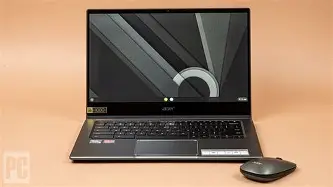
The Spin 514 uses a convertible, 360-degree hinge that converts the laptop into a tablet-like device for touch and pen interactions. The chassis typically leans toward a compact 14-inch footprint, striking a balance between screen space and carryability. Build materials are usually a mix of metal and reinforced plastic; the lid and inner deck often feel more rigid than entry-level models, giving the Spin 514 a more premium impression.
Practical implications: the sturdier construction reduces flex when using the touchscreen or typing on uneven surfaces, and the 360-degree hinge allows stable use in tent and tablet modes for presentations and note-taking. The keyboard often includes a backlight, which is a convenience for low-light typing sessions.
Display
One of the Spin 514’s selling points is a higher-quality display than many budget Chromebooks. Buyers can typically expect an IPS-grade panel with good viewing angles, support for touch input, and full HD resolution in many configurations. Some variants may offer higher-brightness or wider color gamut options under the “Plus” branding.
Real-world use: a bright, color-accurate screen improves web browsing, video streaming, and photo viewing. For those who work with images or video occasionally, an improved panel makes a noticeable difference versus matte, low-brightness alternatives. If the device supports stylus input (active pen), it becomes useful for handwritten notes, light sketching, and markup.
Performance and internals
Chromebooks depend on a balance between CPU capability, memory, and storage speed. The Spin 514 is typically offered with midrange processors suitable for multitasking with web tabs, Android apps, and Linux containers. Configurations often include 8 GB or 16 GB of RAM and modest onboard storage — eMMC or NVMe depending on the SKU.
Practical implications: with 8 GB of RAM and a responsive processor, the Spin 514 will handle the common Chromebook workload — dozens of browser tabs, Google Workspace, Zoom calls, and Android apps — without constant slowdowns. Users planning to run heavier Linux development tools or keep dozens of memory-hungry tabs open simultaneously will benefit from the higher-RAM configurations where available.
Battery life and charging
Battery life for convertible Chromebooks typically ranges widely based on display brightness, workload, and whether Android or Linux apps are heavily used. The Spin 514 aims to deliver a full day of mixed-use under reasonable settings: web browsing, document editing, and streaming. Fast-charge support in certain configurations helps top up the battery quickly during a break.
Real-world use: for students and commuters, the ability to last a full lecture day or a business travel day without a charger is critical. In practice, expect 8–12 hours in mixed use scenarios; heavier multitasking and high brightness settings will shorten that significantly.
Shop the latest Laptops & Computers picks on Amazon.
Browse Now →Keyboard, trackpad, and input
Acer typically outfits the Spin series with comfortable chicklet keyboards and precise trackpads that meet the needs of frequent typists. The 360-degree design means frequent mode changes, so hinge tightness and keyboard deck rigidity affect typing comfort in laptop mode. If a fingerprint reader or backlit keys are included in a configuration, they add convenience and security.
Use case: writers, editors, and students who type long documents will appreciate a well-spaced keyboard and responsive trackpad. Occasional stylus users will find the convertible form factor useful for note-taking, especially when paired with good pen latency and palm rejection.
Ports and expandability
The Spin 514 aims to be practical: expect at least a couple of USB-C ports (used for charging and display out), a USB-A port or two, and often a microSD card slot for expandable storage. Ethernet is uncommon in this class, so Wi‑Fi is essential; models generally include modern Wi‑Fi standards and Bluetooth for wireless accessories.
Buyer consideration: a full set of USB-C ports with DisplayPort over USB‑C is handy for connecting to external monitors and hubs, while a microSD slot provides a cheap way to expand local storage for media. Lack of an HDMI port may require a dongle for direct HDMI connections to older projectors.
Software and support
Chromebooks are valued for simplicity and security; the Spin 514 ships with Chrome OS and benefits from automatic updates, sandbox…Real-world implications: longer update support extends device utility and security lifespan. Buyers who keep devices for several years should check the manufacturer-provided Auto Update Expiration (AUE) date for the exact model to make informed decisions.
Typical specifications (configurations vary)
| Category | Typical Options |
|---|---|
| Display | 14-inch touch IPS, typically Full HD (1920×1080); convertible 360° hinge; some SKUs offer higher brightness or wider color gamut |
| Processor | Midrange efficient CPUs for Chrome OS (varies by region); typically aimed at balanced battery life and responsiveness |
| Memory | 8 GB or 16 GB LPDDR; higher RAM recommended for heavy multitasking or Linux workloads |
| Storage | 64 GB to 256 GB eMMC or NVMe SSD options; microSD expansion in many models |
| Connectivity | Wi‑Fi 5/6 (model-dependent), Bluetooth 5.x, USB‑C ports, USB‑A port(s), microSD slot |
| Battery | All-day battery goal (8–12 hours typical depending on use); some models support fast charging |
| Extras | Backlit keyboard, active pen support on some SKUs, MIL‑style durability enhancements on certain configurations |
Pros & Cons
- Pros:
- Convertible flexibility: 360° hinge for tablet, tent, and presentation modes.
- Improved display options: Better color and brightness than basic Chromebooks — valuable for media consumption and note-taking.
- Solid build: Sturdier chassis and hinge compared with budget models, giving a premium feel and durability.
- Practical port selection: Multiple USB-C ports, USB-A, and microSD expandability on many SKUs.
- Chrome OS simplicity and security: Fast boot, automatic updates, and a generally trouble-free user experience.
- Cons:
- Price premium: The “Plus” branding positions it above entry-level Chromebooks, which may reduce price competitiveness for budget buyers.
- Configuration variability: Some desirable features (stylus, higher-res display, more RAM) are SKU-dependent, so a buyer can easily miss the best configuration.
- Limited native application scope: For heavy Windows-only apps or full desktop creative suites, Chrome OS is still a limitation despite Linux app support.
- Storage constraints: Base storage sizes are modest; users who keep lots of local files should plan on using cloud storage or microSD expansion.
Comparison: Acer Chromebook Plus Spin 514 vs. alternatives
A short, practical comparison helps place the Spin 514 among other convertible Chromebooks and compact Windows laptops. The table below focuses on the buyer-facing trade-offs that most people care about: display, performance, portability, and price positioning.
| Model | Target buyer | Strengths | Potential drawbacks |
|---|---|---|---|
| Acer Chromebook Plus Spin 514 | Students, road-warriors, touch/pen users | Convertible design, better-than-basic display, sturdy build, Chrome OS simplicity | Higher price than basic Chromebooks; feature set varies by SKU |
| Lenovo Chromebook Flex 5 | Budget-conscious users seeking convertible form | Competitive price, solid keyboard, good for general tasks | Display and build quality typically less premium than 'Plus' models |
| HP Chromebook x360 14 | Users wanting a premium Chromebook with good battery life | Often emphasizes long battery life and professional designs | Price can approach mainstream laptops; keyboard layout varies |
| Mid-range Windows 14" laptops | Users needing native Windows apps and higher performance | Full Windows software compatibility, broader hardware choices | Heavier OS, more maintenance, often shorter battery life for similar weight |
Buying guide: How to choose the right Spin 514 configuration
Choosing the right SKU matters more with “Plus” models because important features are optional. Here are the specific considerations to guide a purchase decision based on real-world needs.
1. Define intended use
- If the device will be used mainly for web browsing, streaming, and document editing, a base configuration with 8 GB of RAM and 64 GB of storage may be sufficient.
- If the user runs Linux tools, keeps dozens of tabs open, or uses heavier Android apps, seek 16 GB RAM and a faster SSD if available.
- For art, note-taking, or student work that benefits from pen input, confirm active-pen support and test latency/reliability in store if possible.
2. Prioritize display quality
If media consumption or visual clarity is important, prioritize models with higher brightness and an IPS panel. A Full HD touchscreen is the minimum buyers should expect from a “Plus” model; higher color accuracy and brightness make a noticeable difference for outdoor use and streaming.
Looking for the best Laptops & Computers deals on Amazon?
Shop Amazon →3. Check the OS update timeline
Chromebooks have an Auto Update Expiration (AUE) date — this determines how long Google provides OS updates. For long-term ownership, verify the AUE for the exact model and choose one with the longest support window within your budget.
4. Balance ports and dongles
Consider if the available ports meet daily needs. If frequent HDMI or wired Ethernet connections are expected, budget for a USB-C dock or adapter. A microSD slot is a practical way to expand storage for media without relying on cloud-only solutions.
5. Keyboard and hinge quality
Since the Spin 514 is a convertible, hinge stiffness is important. Test the hinge action in store for wobble in laptop mode and ensure the keyboard travel suits your typing preference. Backlit keys and a responsive trackpad are worth paying a small premium for frequent typists.
6. Battery expectations
Manufacturers’ battery estimates are idealized. Look for real-world battery reports (review sites, hands-on videos) for the specific configuration, and consider whether the device supports fast charging to mitigate occasional shorter sessions.
Real-world scenarios: who should buy the Spin 514?
The Acer Chromebook Plus Spin 514 is a sensible choice in several common buyer categories:
- College students: The convertible form is useful in lecture halls for note-taking, presentations, and media consumption between classes. A compact 14-inch screen is large enough for split-screen note-taking and reading.
- Traveling professionals: Light weight and convertible modes help present work in client meetings. Chrome OS’s quick boot and built-in security minimize maintenance headaches on the road.
- Casual creatives and note-takers: Those who want pen support for journaling, markup, or ideation will find value if the chosen SKU includes reliable active-pen support and a responsive touchscreen.
- Families and shared devices: A sturdy hinge and durable chassis make the Spin 514 preferable to flimsy entry-level Chromebooks when multiple users handle the machine daily.
When to look elsewhere
There are cases where another laptop or Chromebook could be a better match:
- Strict Windows app requirements: If essential work tools require Windows-only apps with no feasible Linux or web alternatives, a Windows laptop is preferable.
- High-end content creation: For heavy photo editing, video editing, or 3D work, Chromebooks are still limited compared with macOS or Windows workstations.
- Tight budgets: If the goal is the lowest possible price, base-model Chromebooks or refurbished units can deliver adequate performance for basic tasks at a lower cost.
Conclusion
The Acer Chromebook Plus Spin 514 represents a thoughtful middle ground for buyers who want more than the cheapest Chromebook without committing to a full Windows or macOS laptop. Its convertible design, improved display options, and generally sturdier build make it a strong contender for students, frequent travelers, and anyone who values a touch-first Chromebook experience. The main trade-offs are a price premium over entry-level Chromebooks and the variability of features across SKUs—buyers must confirm that the specific configuration includes the display, RAM, storage, and pen support they need.
Ultimately, whether the Spin 514 is worth the price tag depends on priorities: if a better screen, convertible versatility, and a more premium feel are important, it can be a very good value. If price sensitivity or Windows-only workflows dominate the decision, other devices might be a better fit. For the informed buyer who selects the right configuration, the Spin 514 is a practical, capable machine that leverages Chrome OS strengths while addressing many of the usability gaps found in cheaper Chromebooks.